


Landscape Astrophotography
Long exposure Landscape Astrophotography is a complex time consuming process. It is an incredible way to capture the beauty of the night sky while keeping it in context with the earth and the surrounding landscape. Meticulous planning is essential, requiring an understanding of what is visible in the night sky on any given night and a considerable degree of patience, especially with the unpredictable weather in the UK.
I set up my camera on a tripod, in a dark location, carefully composing my image. By manually adjusting camera settings such as aperture, ISO, and shutter speed, I aim to collect as much light as possible over an extended period - typically several seconds to minutes. With advanced techniques using a star tracker attached to my camera and image stacking you can enhance image quality without star trailing, unless of course this is the intention. The star tracker, functioning as a motor that rotates the camera in sync with the earth's rotation, freezes the motion of the stars. By aligning it with the celestial pole (North Star/Polaris), I can capture sharp images of the night sky with minimal distortion.
After capturing a series of exposures using the star tracker, I use software programs like Sequator and DeepSkyStacker to align and stack the images. This process results in photographs with enhanced clarity, revealing more detail of the Milky Way and other celestial objects. Post-processing techniques can further enhance the images by pulling out more detail in the landscape's shadows and enhancing the colours of the stars. However, I strive to keep the images as natural as possible, avoiding false colours and ensuring they are captured in one night from the same tripod position.
The process of capturing these images under the stars allows me to disconnect from the stresses of daily life, relax and build my resilience. Standing rooted to the earth, gazing up in awe at the beauty of the night sky and contemplating the infinity of the universe, I am reminded of my place in the vast expanse of space. Despite the immensity of space, I am part of something much larger, grounding me to this beautiful planet. In maintaining proportion amidst the cosmos and this crazy earth I find a sense of balance.

Vestrahorn, Iceland
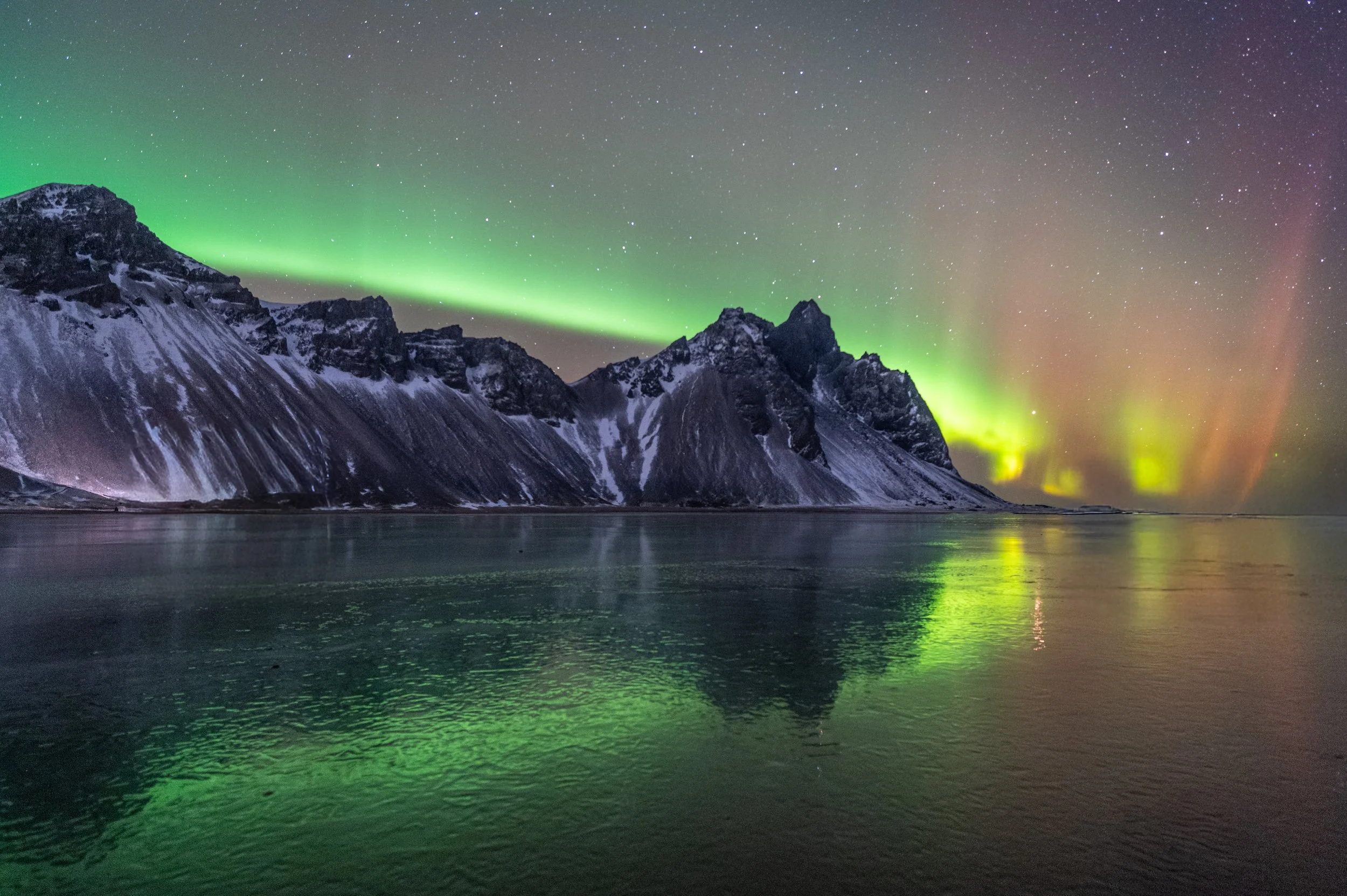
Vestrahorn, Iceland
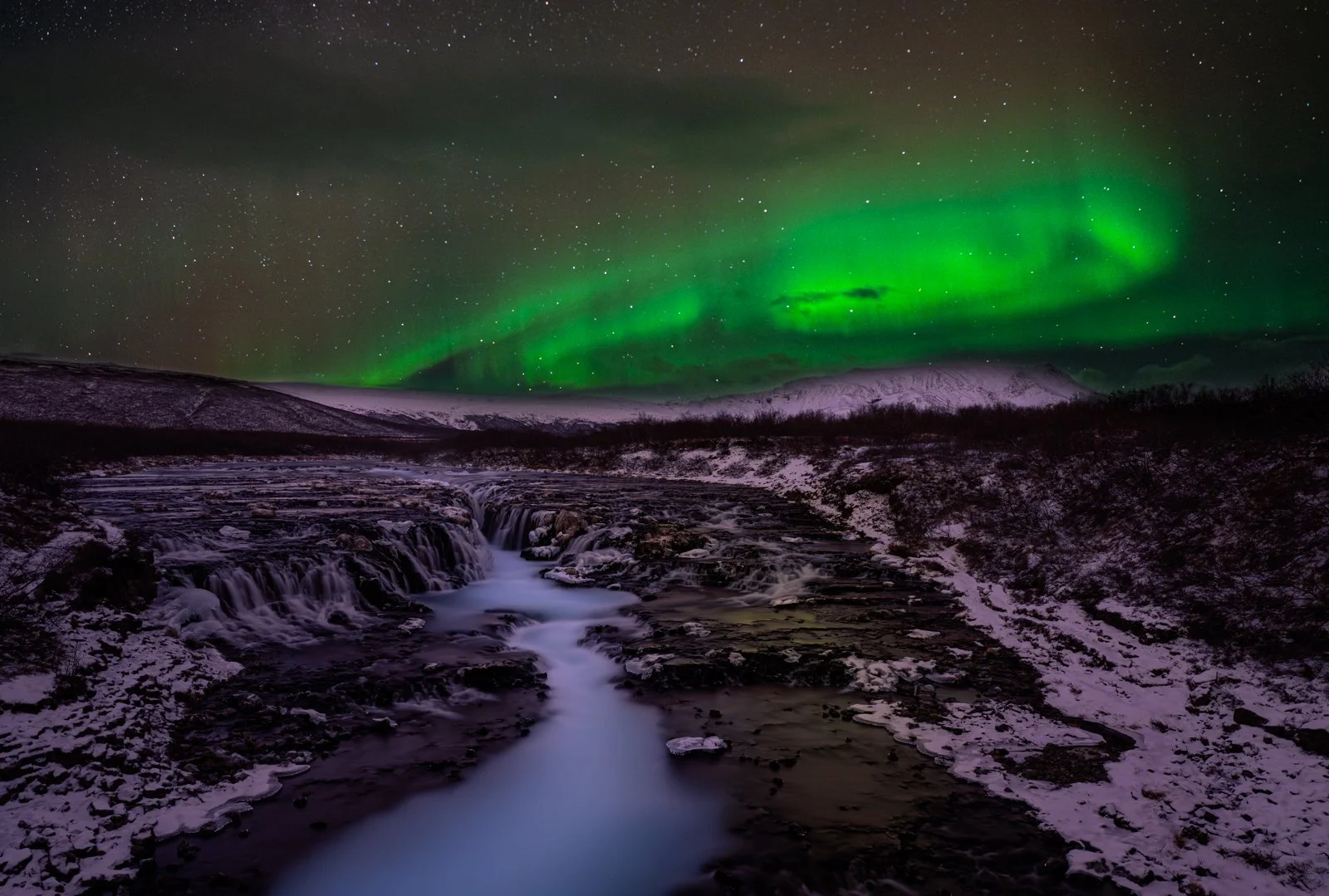
Bruarfoss, Iceland
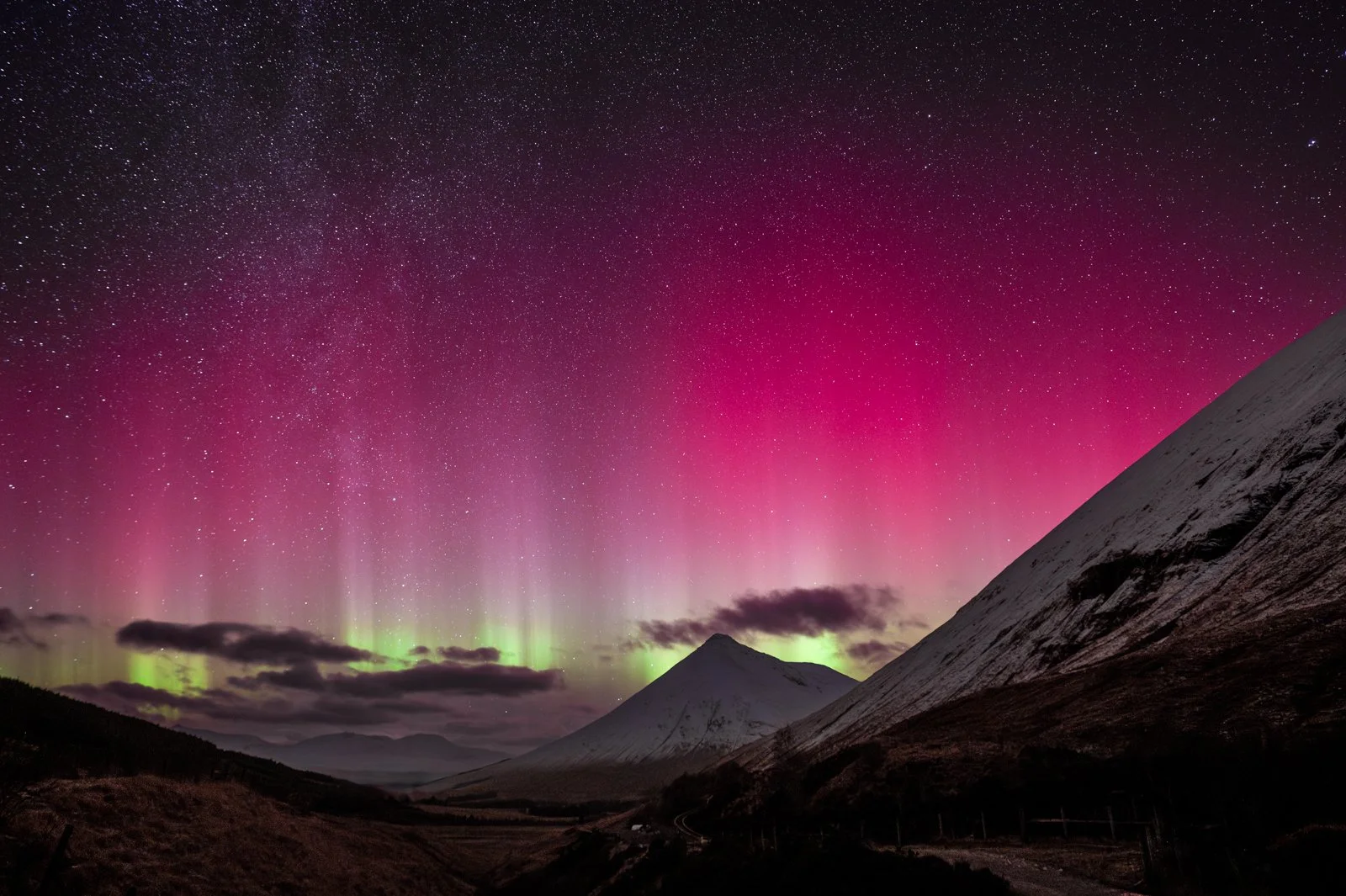
New Years Day 2025, Glen Ochy, Scotland
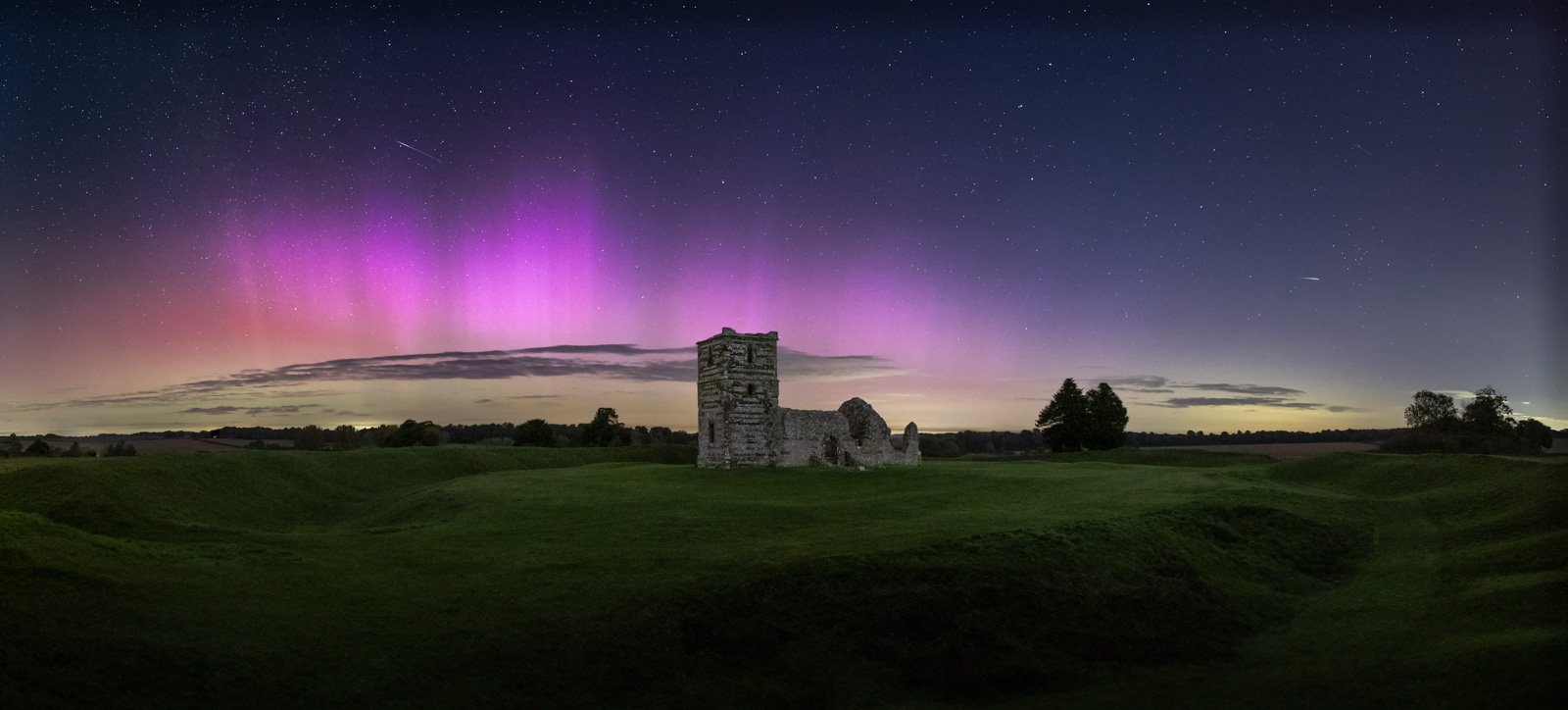
Aurora, Knowlton Church, Dorset, UK
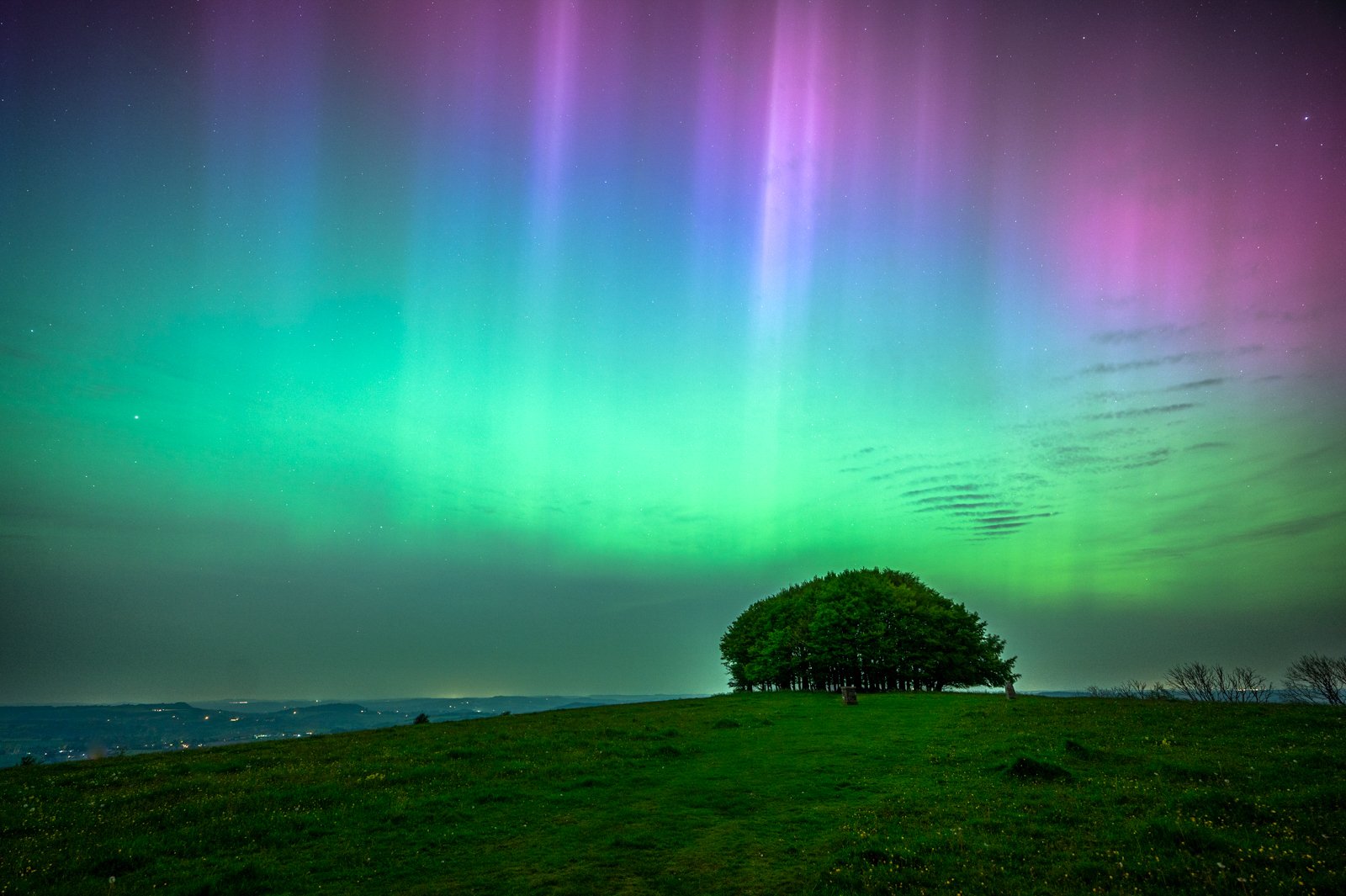
Aurora, Win Green, Dorset
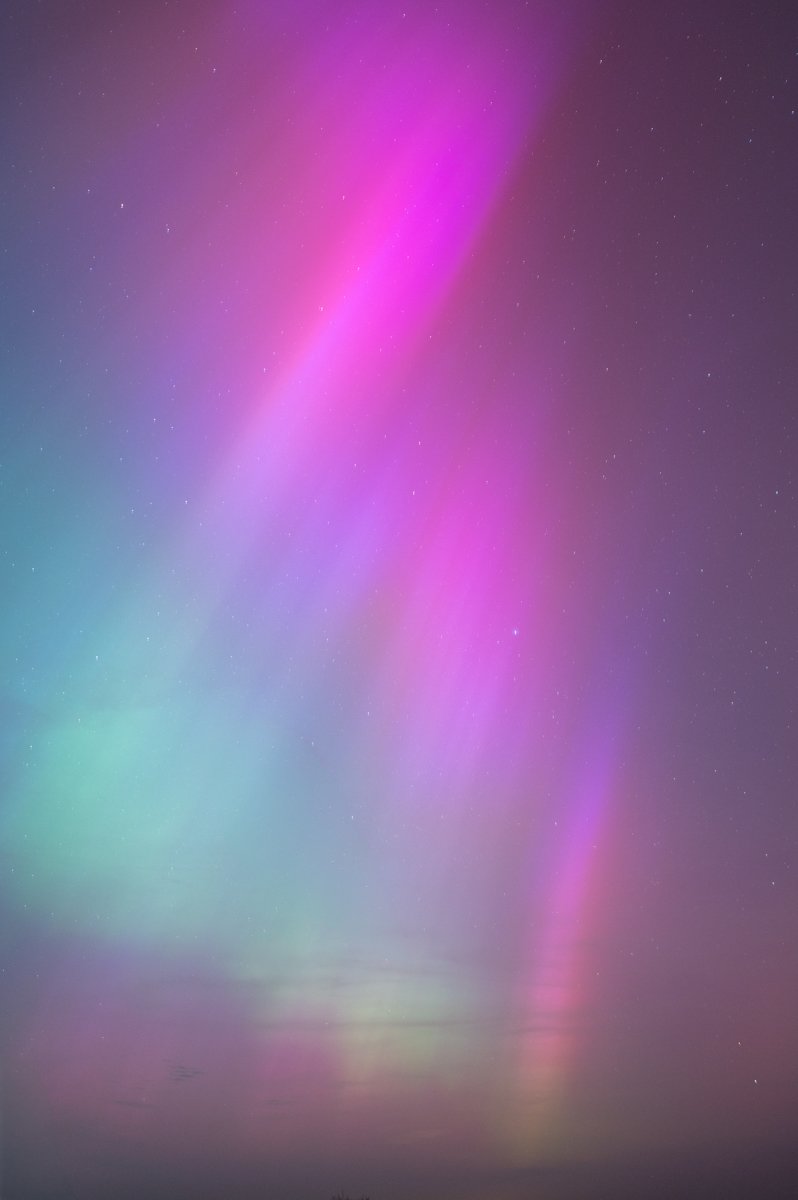
Abstract Aurora. North Dorset May 2024
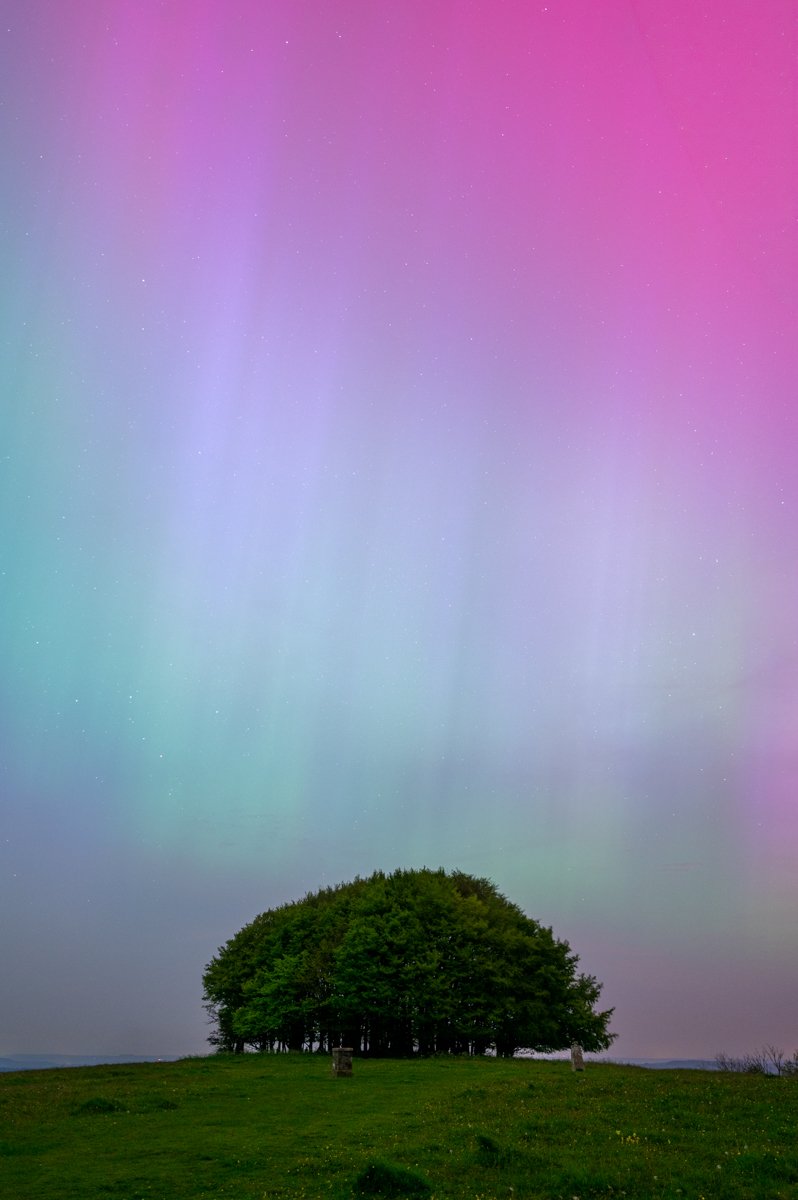
Aurora, Win Green, Dorset, UK

Radar memorial at St Aldhelm's Head, Dorset, UK

Laguna Tuyajto, Andean Altiplano, Chile.

Meteor and the Milky Way at Kimmeridge, Dorset, UK
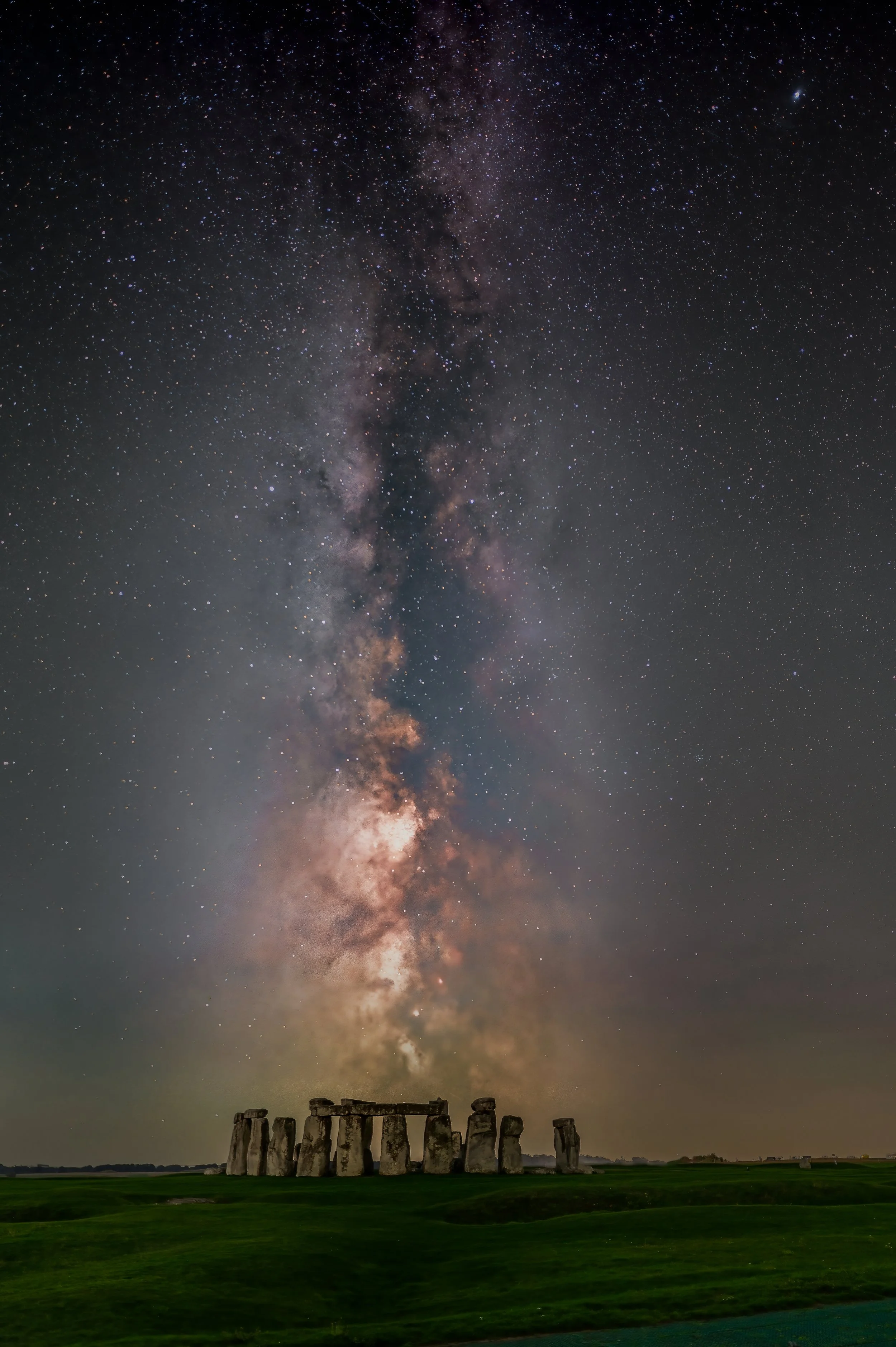
Stonhenge, Wiltshire, UK
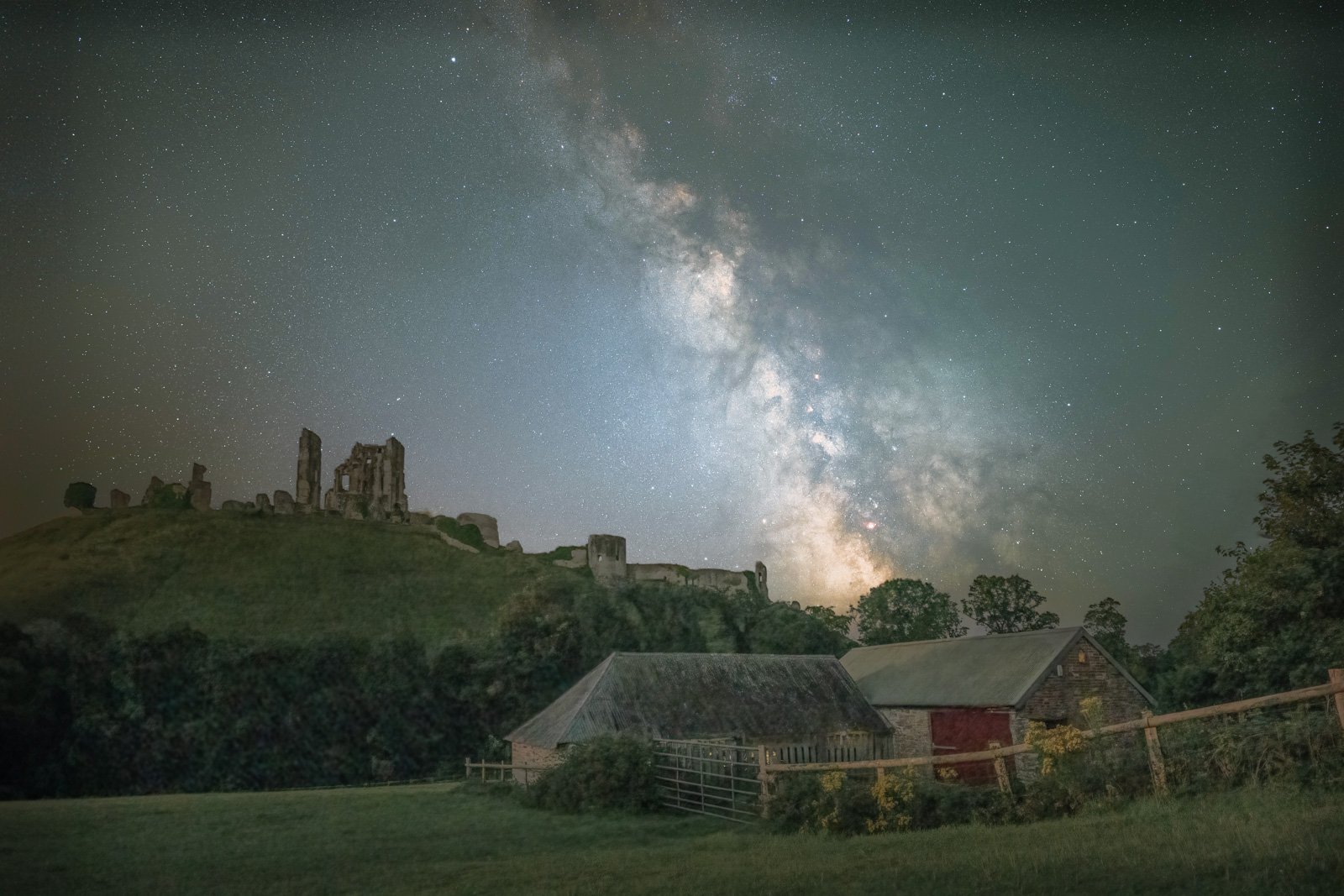
Milky Way over Corfe Castle, Dorset, UK
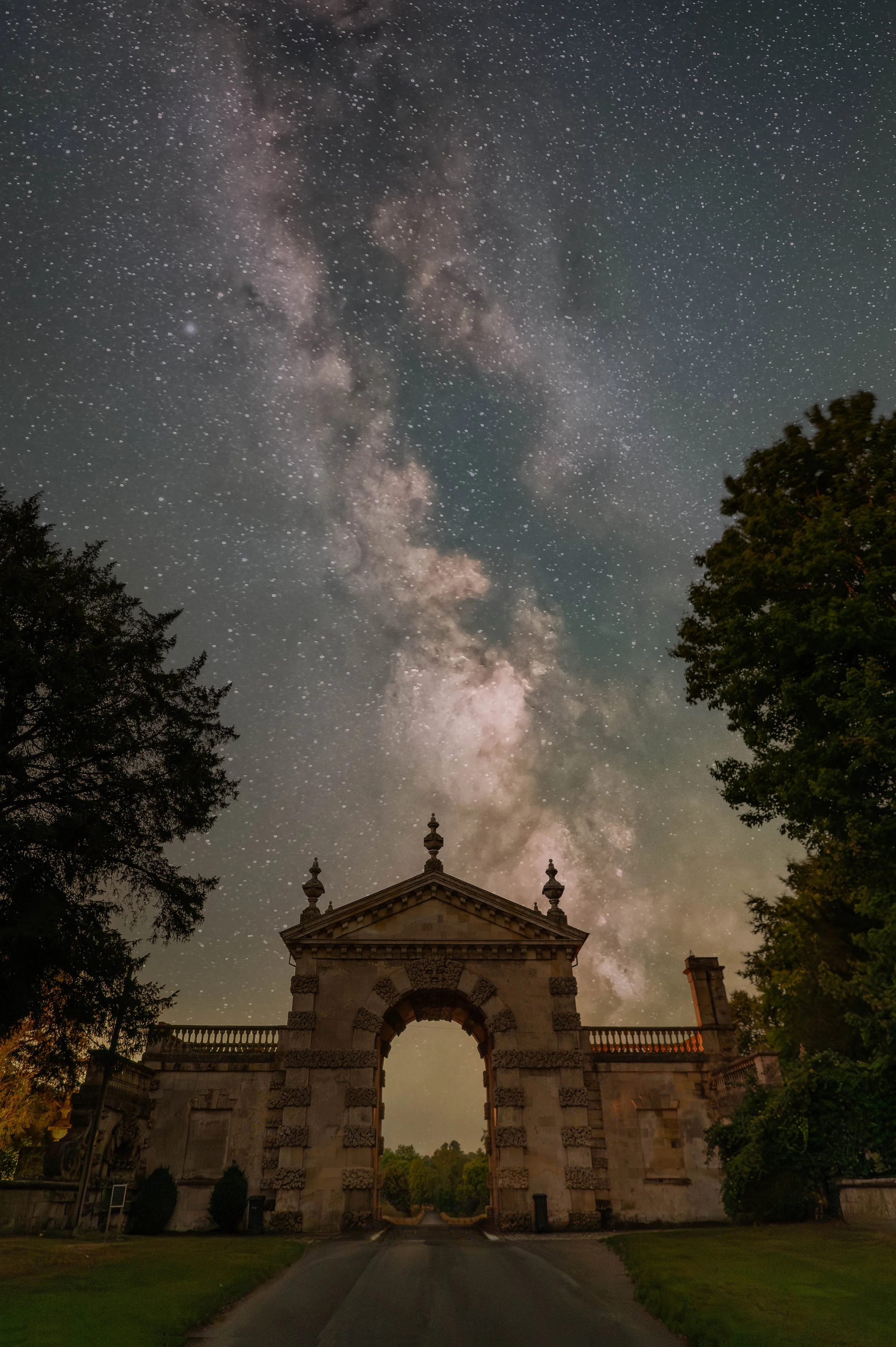
The Arch, Fonthill, Wiltshire, UK

St Aldhelms Chapel, Dorset, UK
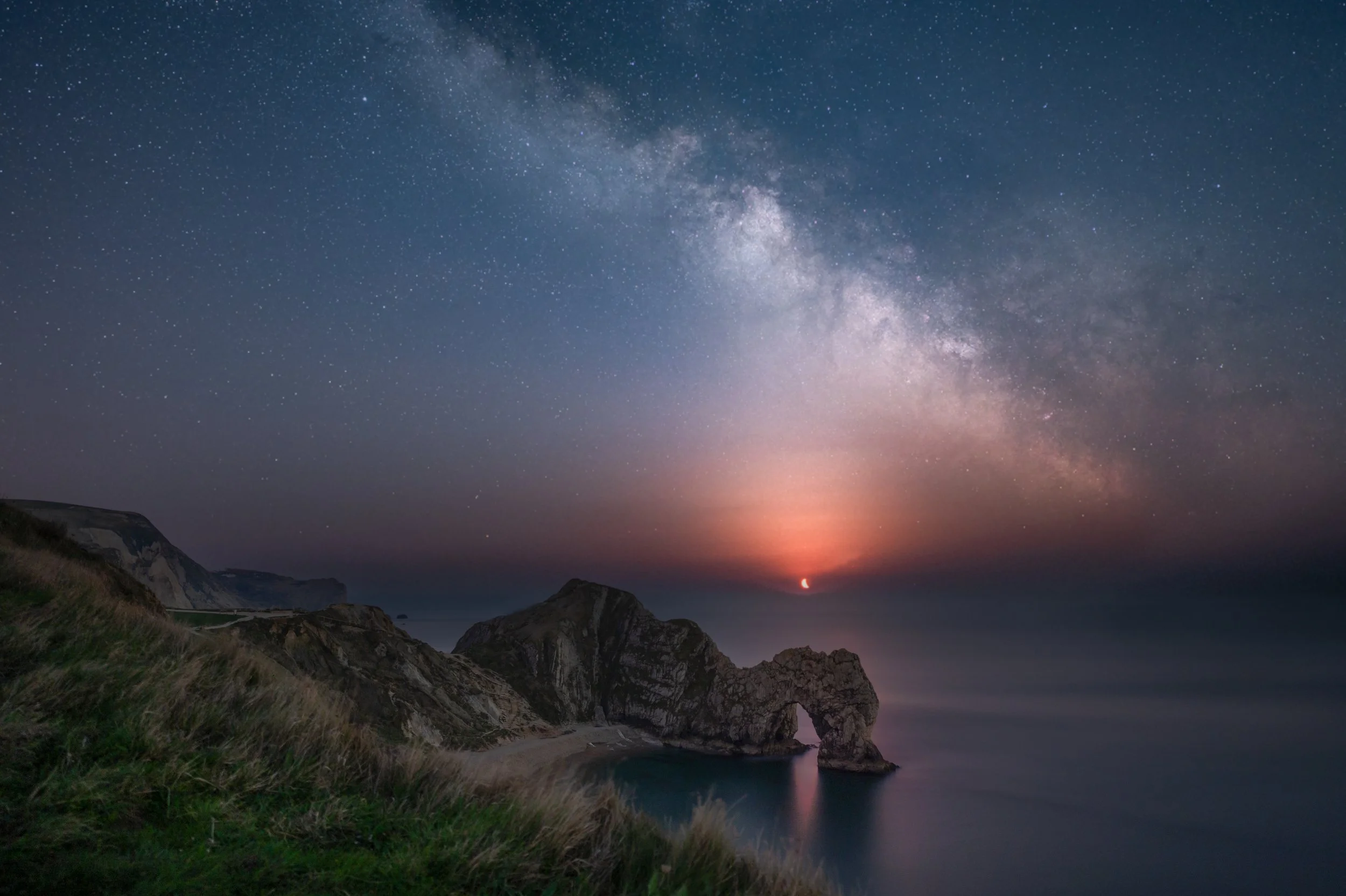
Moonrise, Durdle Door, Dorset, UK

Durdle Door, Dorset, UK
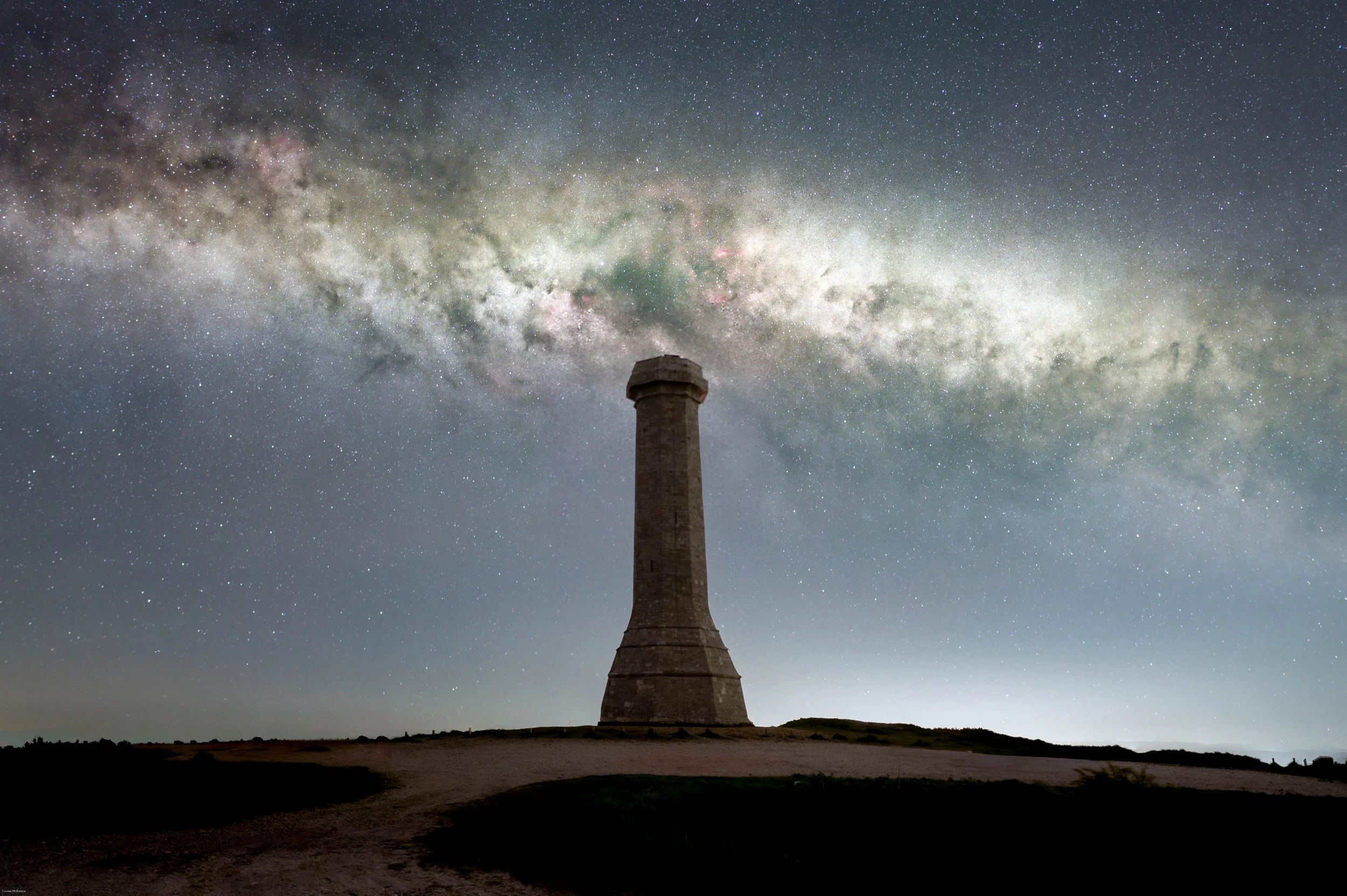
Hardy Monument, Dorset, UK

The Milky Way, from the Atacama desert in Chile.

Puddletown, Dorset, UK

Startrails, Warren Hill folly, Hartland Quay, Devon, UK
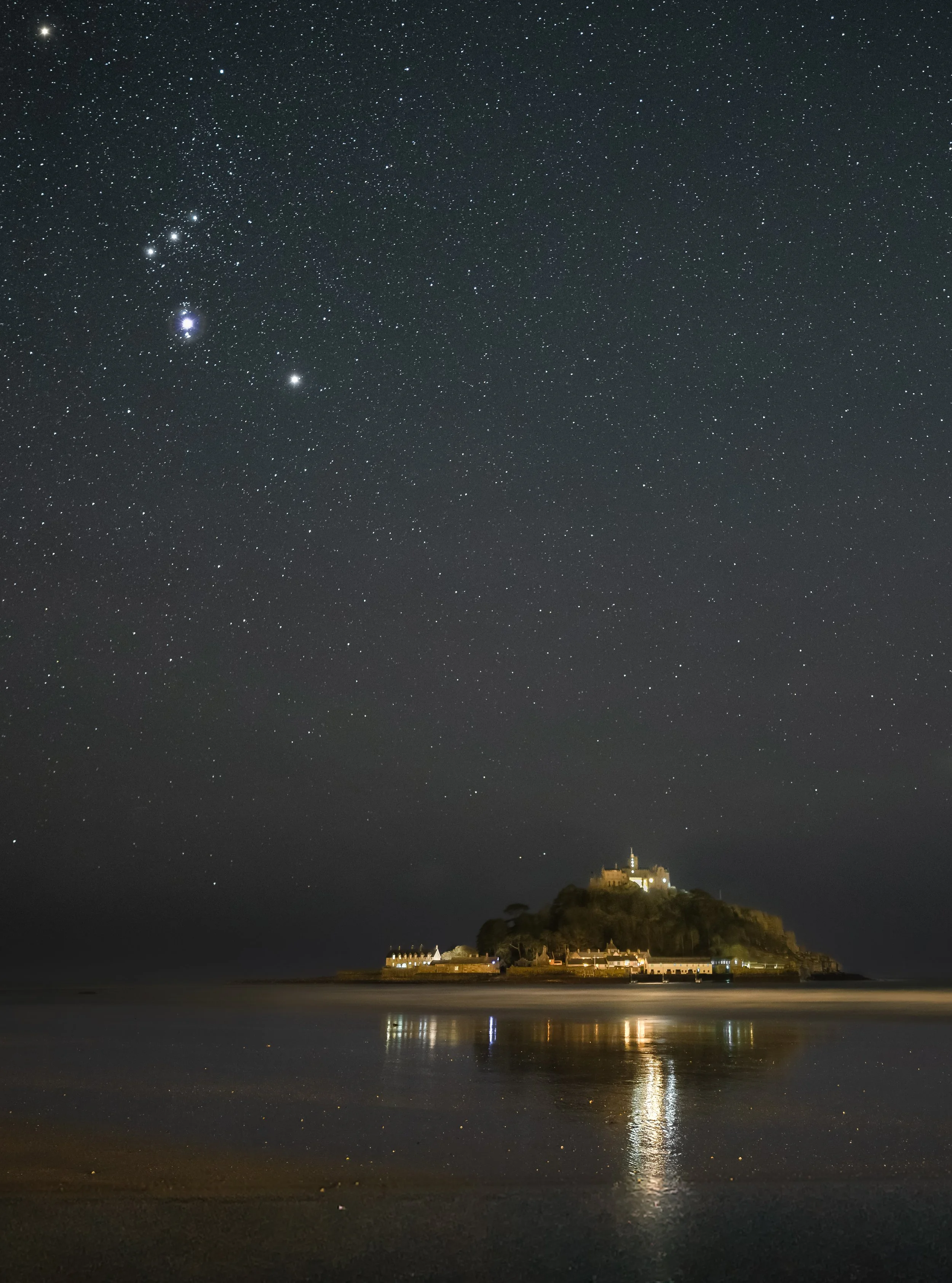
Orion over St Michael's Mount, Cornwall, UK

Orion, Loch Lomond, Scotland.
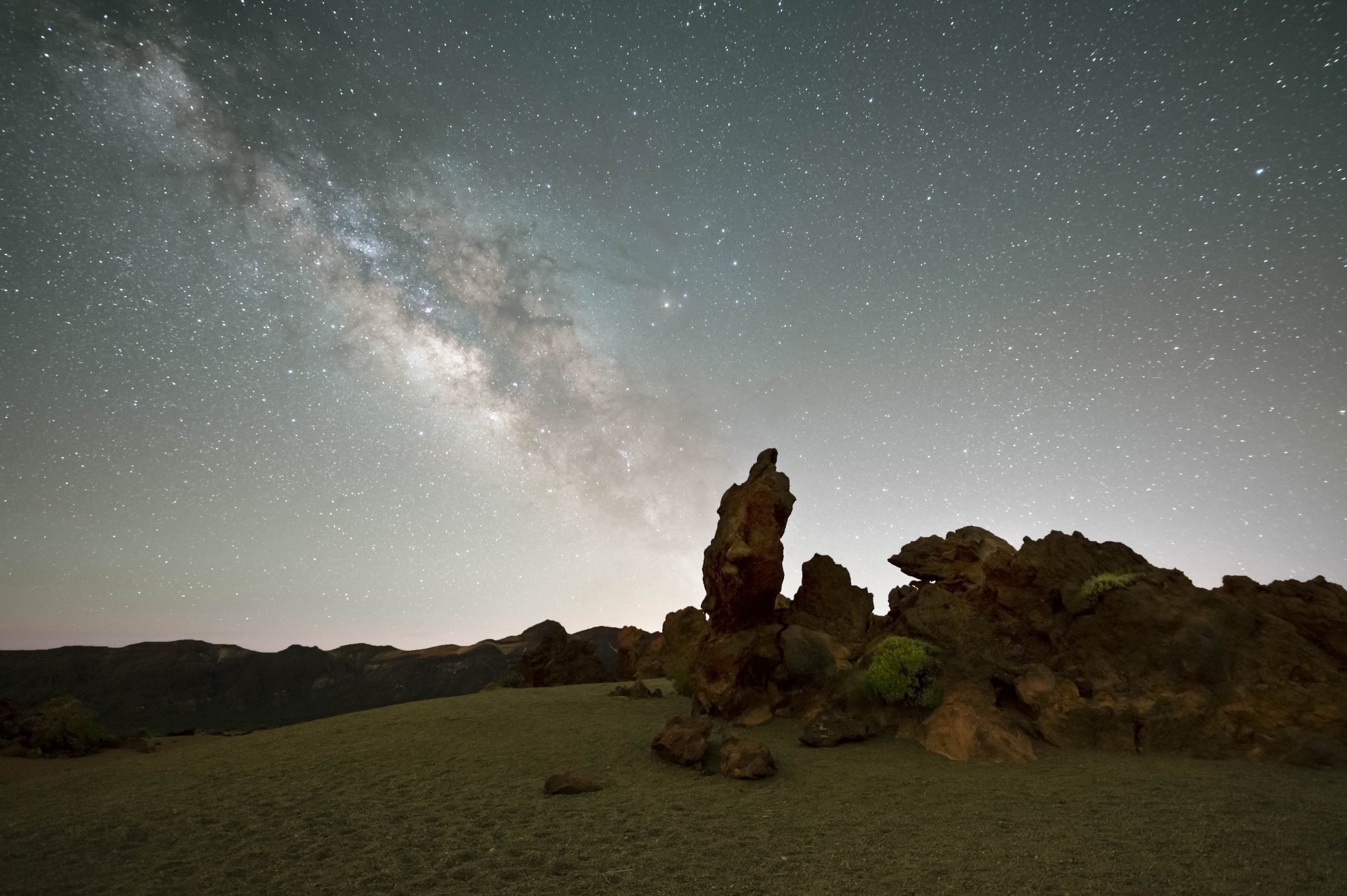
Milky Way, Tenerife.
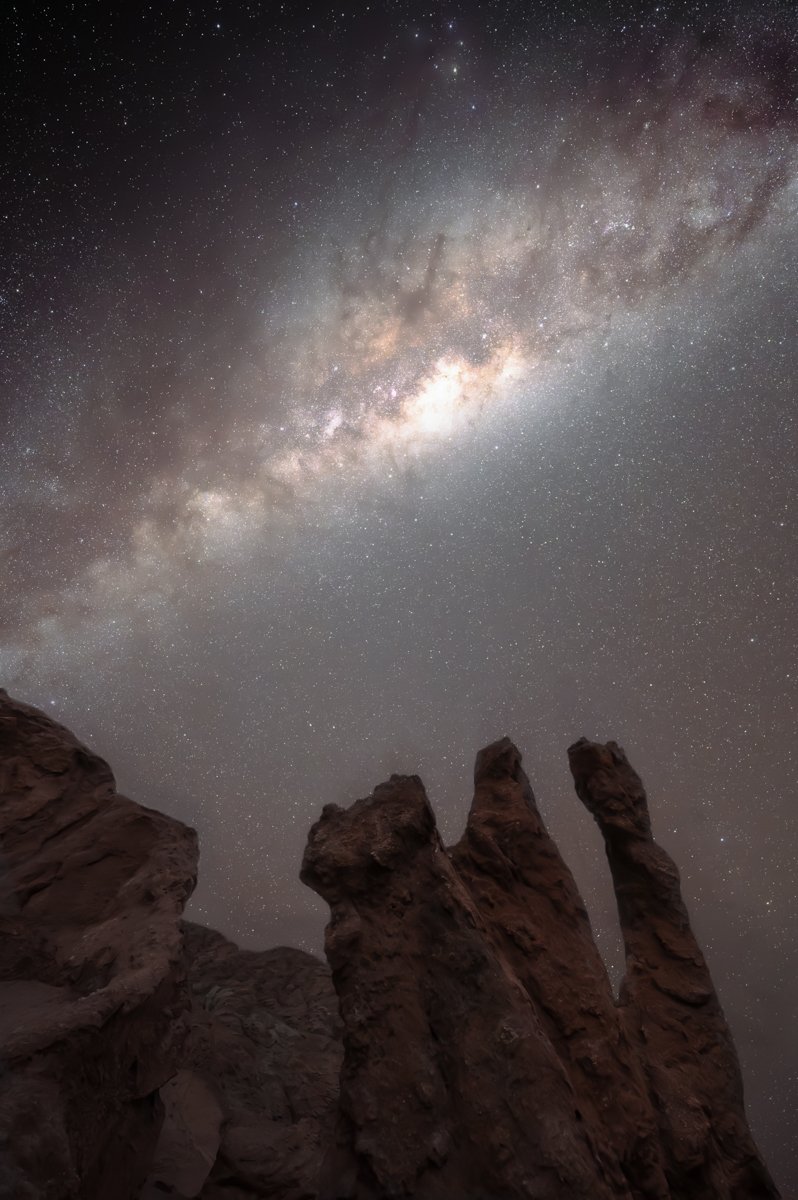
Milky Way, Valle del Arcoiris, Chile.
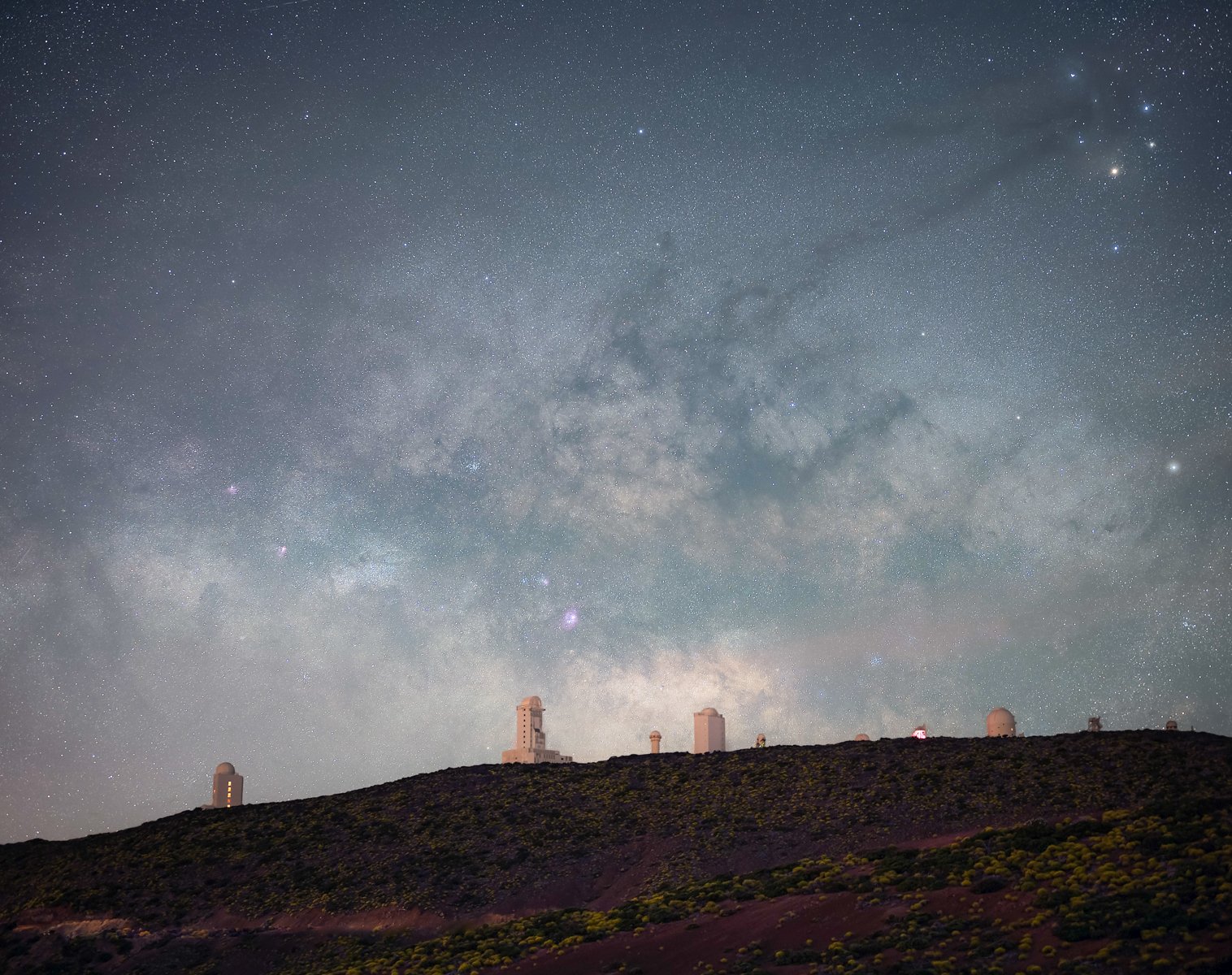
The Milky Way core & Rho Ophiuchi below the Telescopes, Mount Tiede, Tenerife
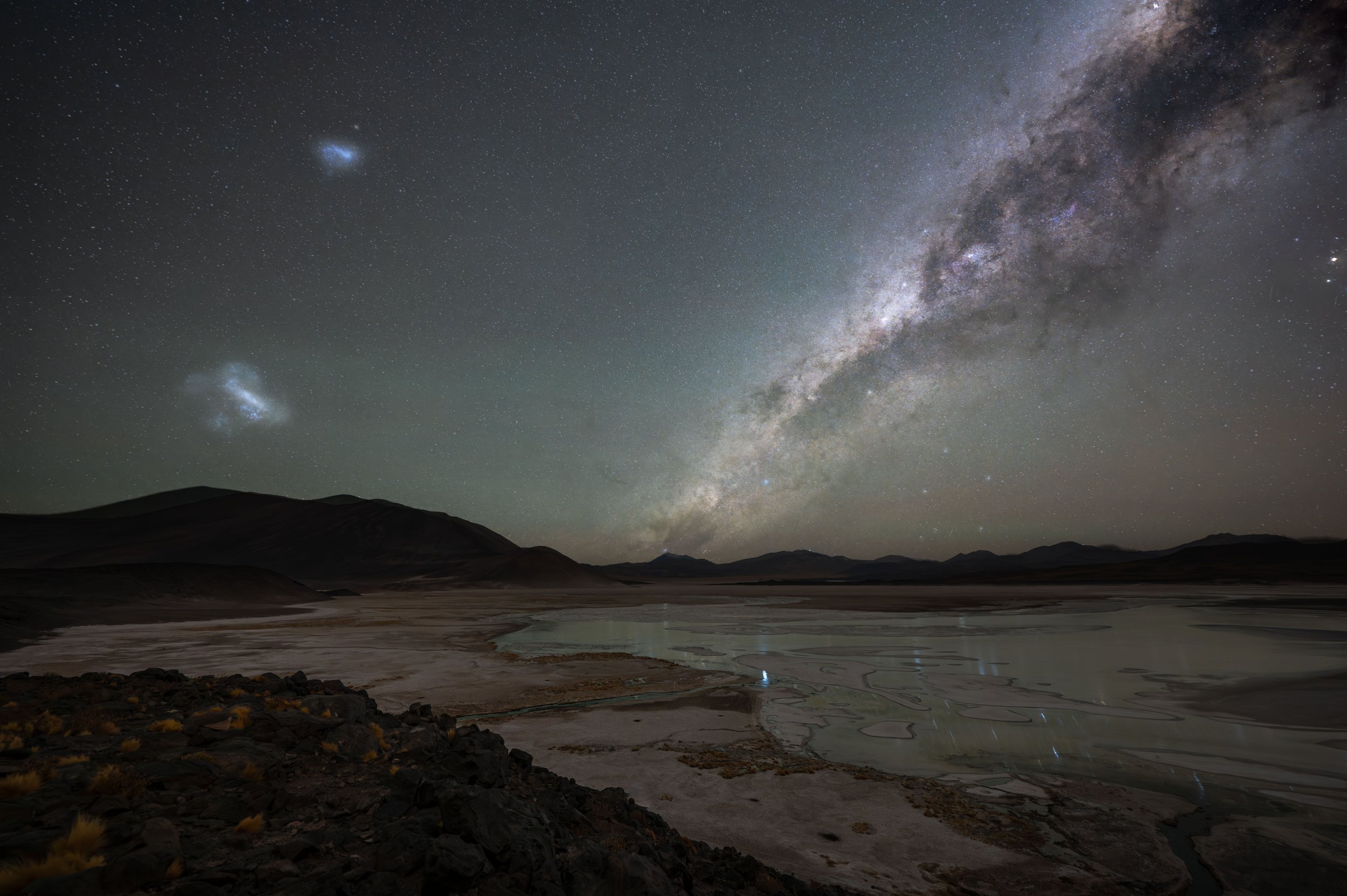
The Magellanic Clouds visible in the southern hemisphere, Atacama Desert. Chile
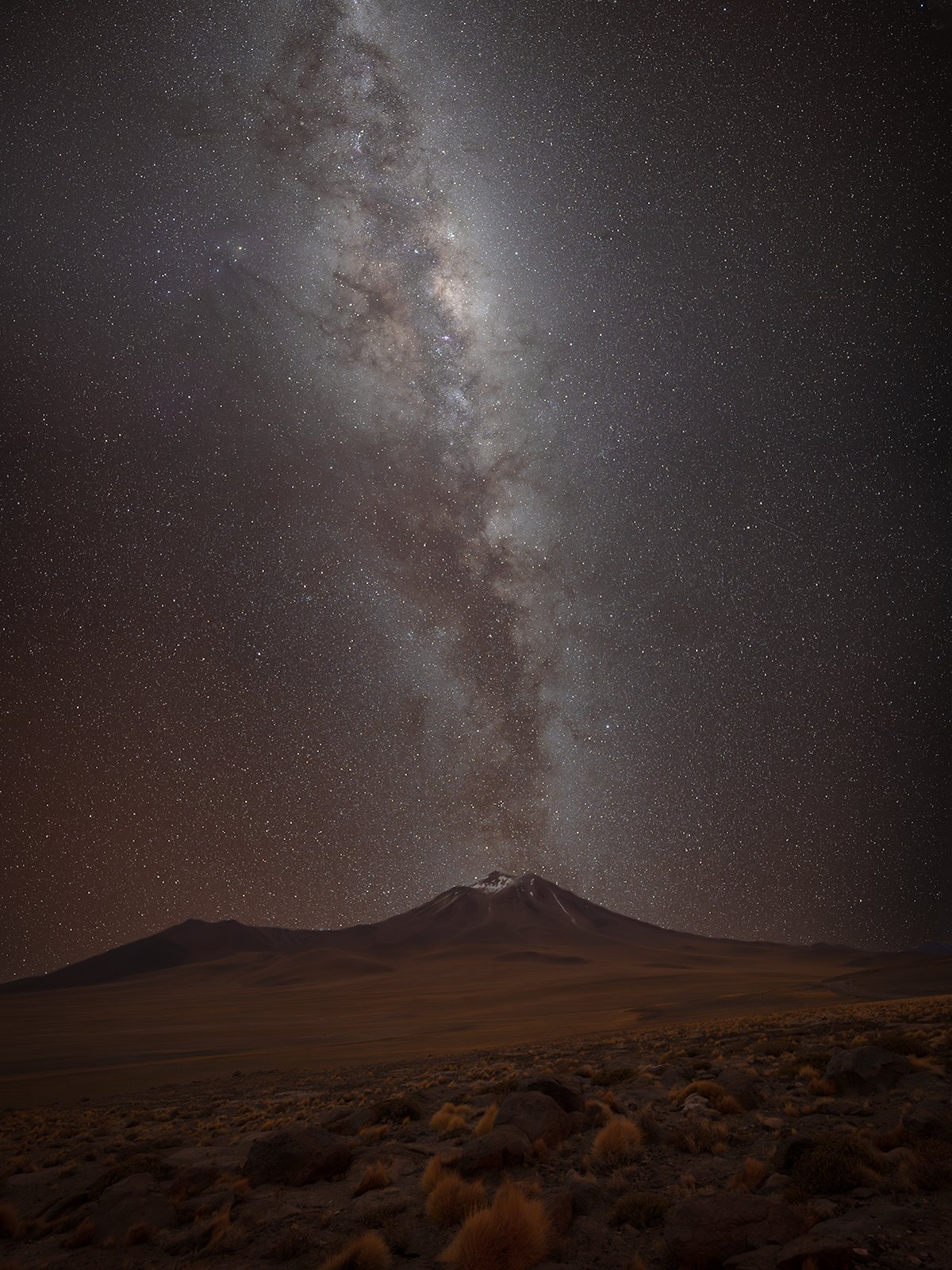
Volcano Miñiques, Northern Chile.

Milky Way, Taken in the high Altiplano (4200m) of the Atacama in Chile across a partly frozen salty lagoon.
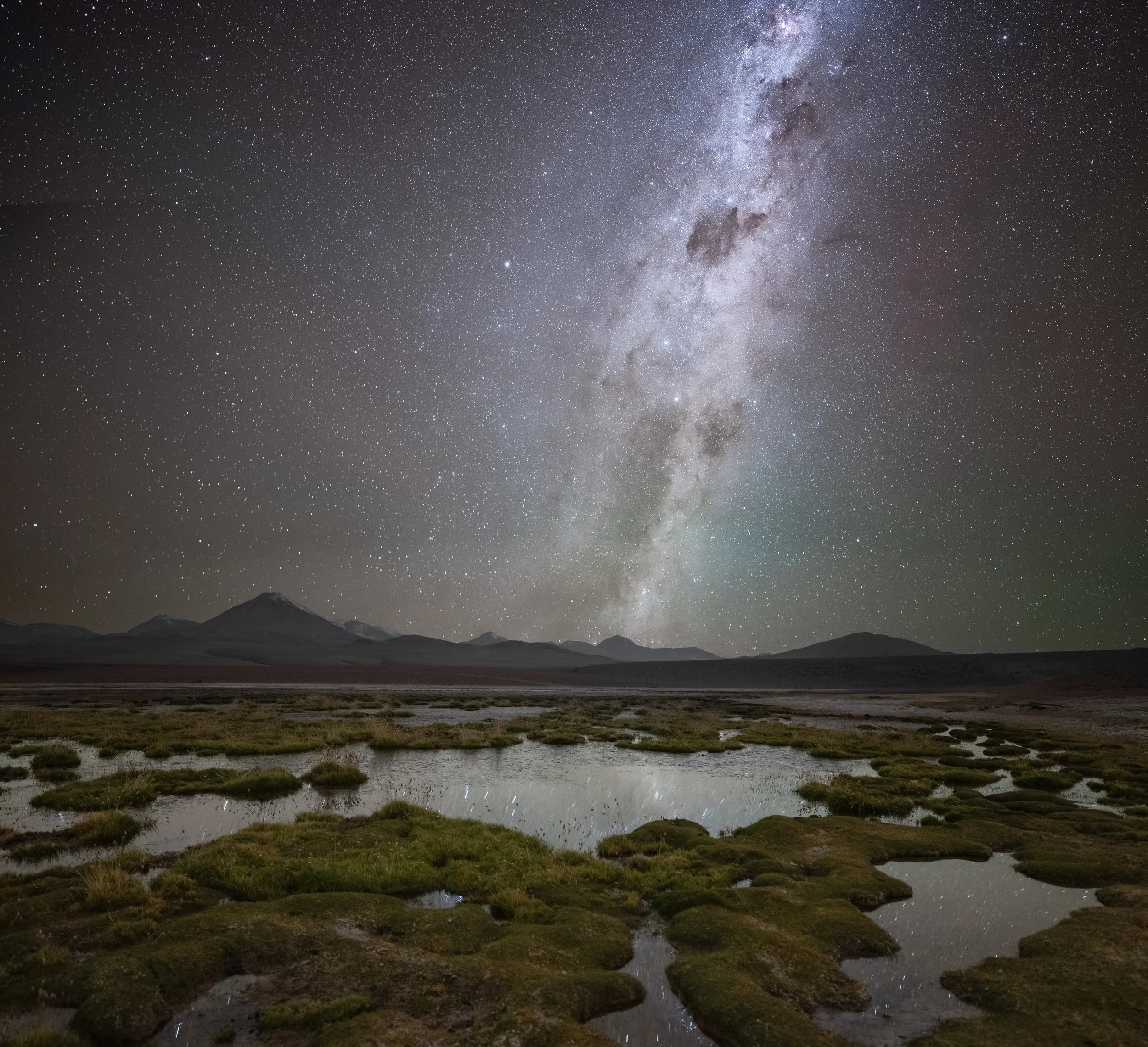
Volcano Putana on the border of Bolivia and Chile.

Magellanic Cloud reflected in the Salar de Uynui, Bolivia
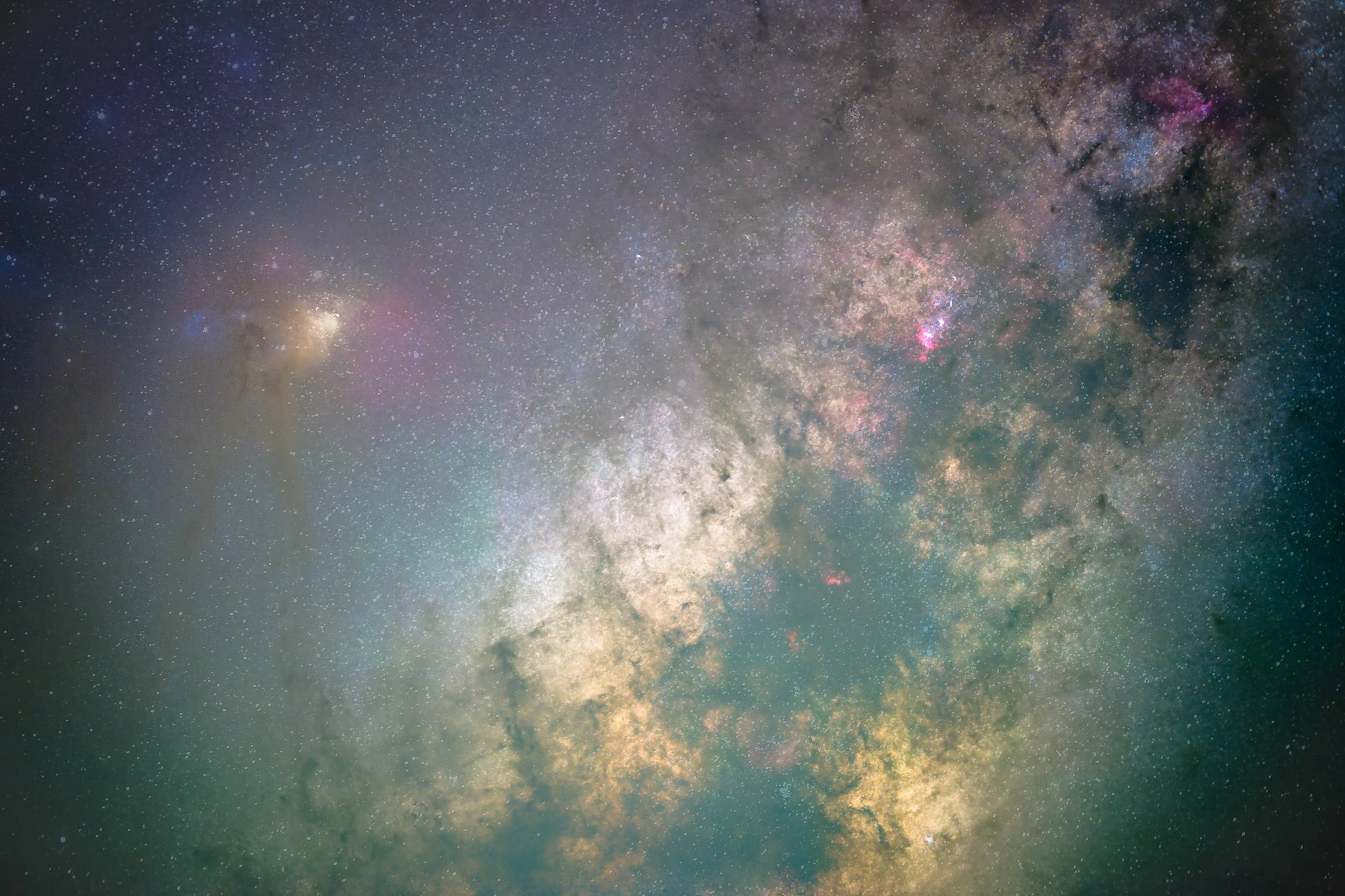
Rho Ophiucus, Milky Way, Chile
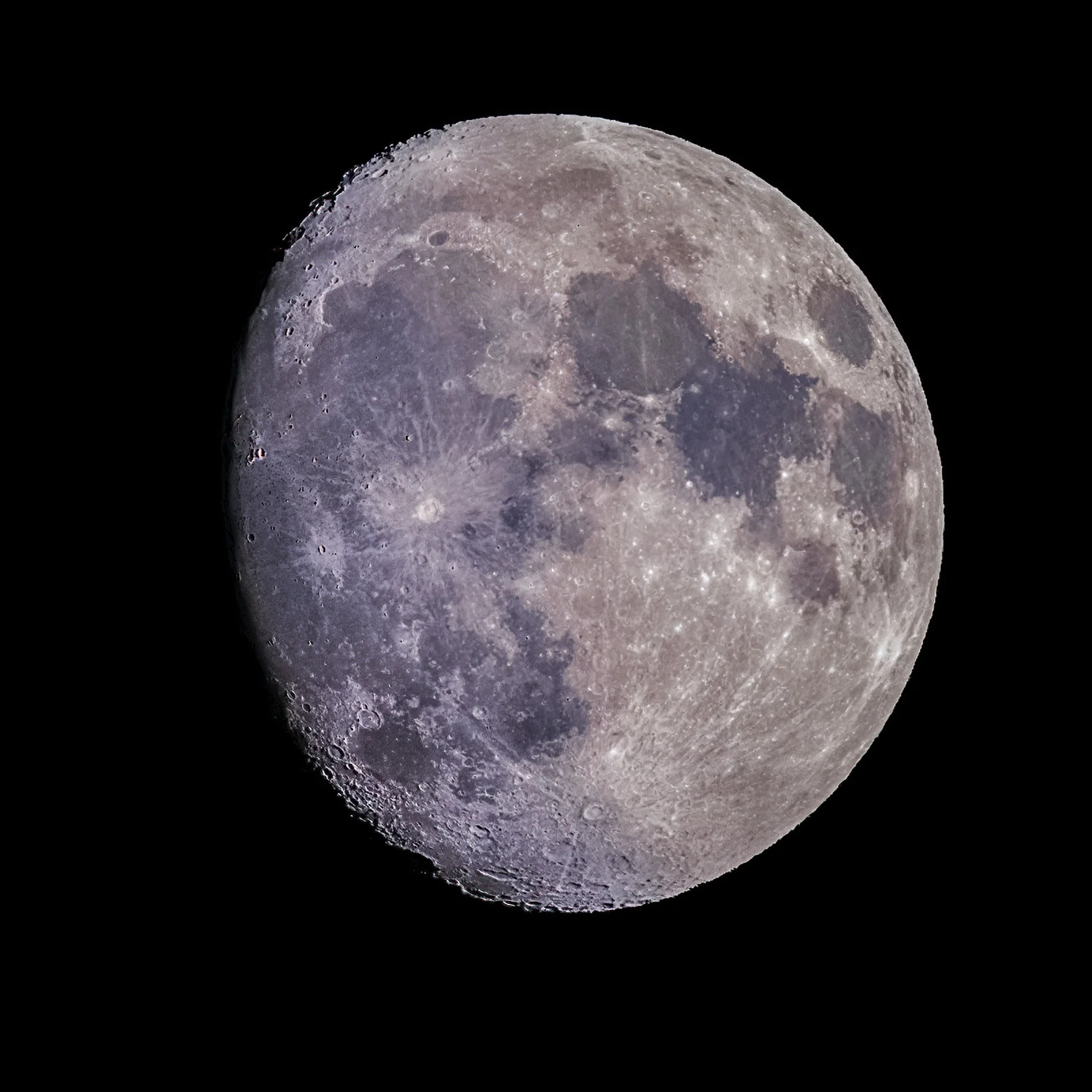
Waxing Gibbous Moon from my garden in Dorset, UK
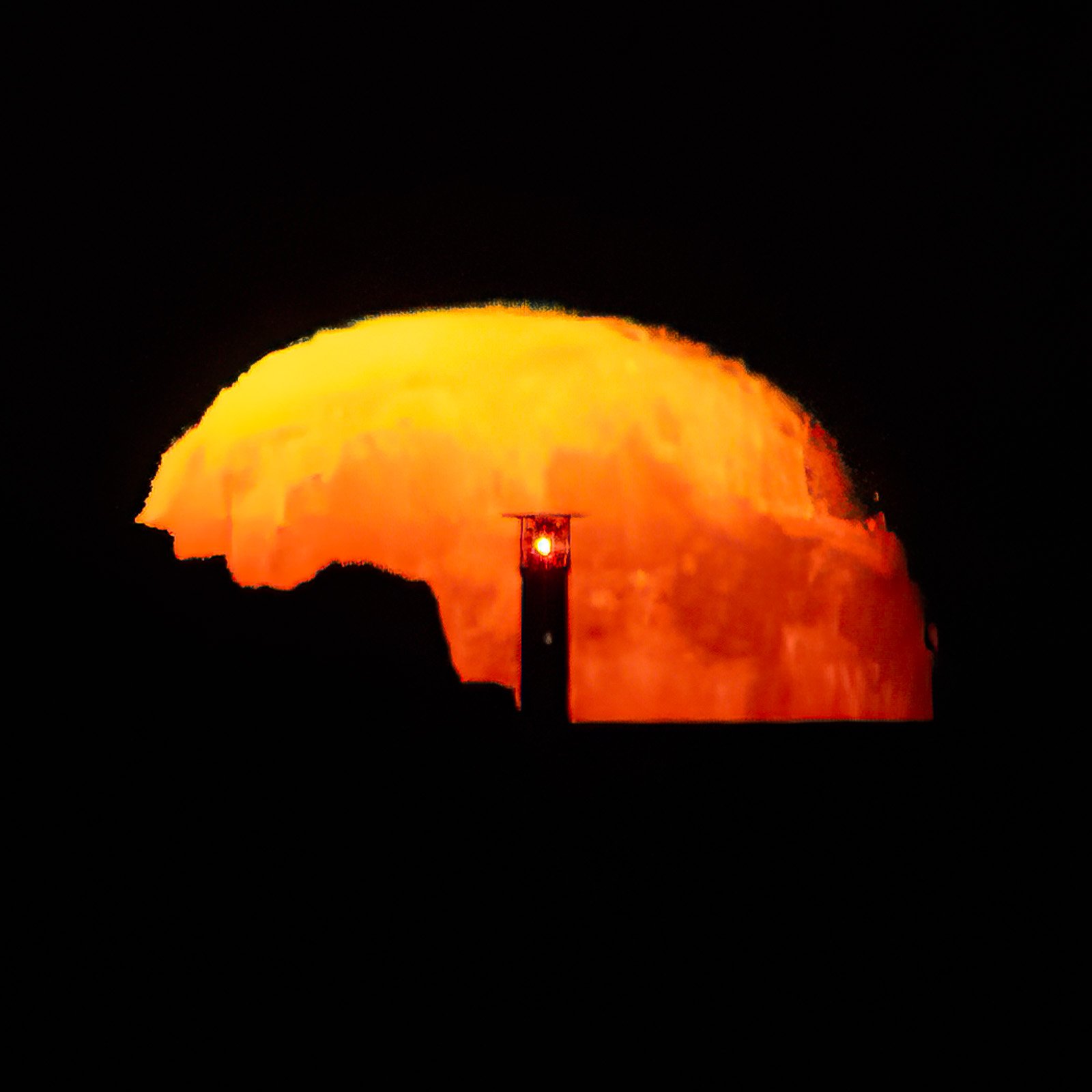
The Moon behind The Needles Lighthouse, Isle of White, UK
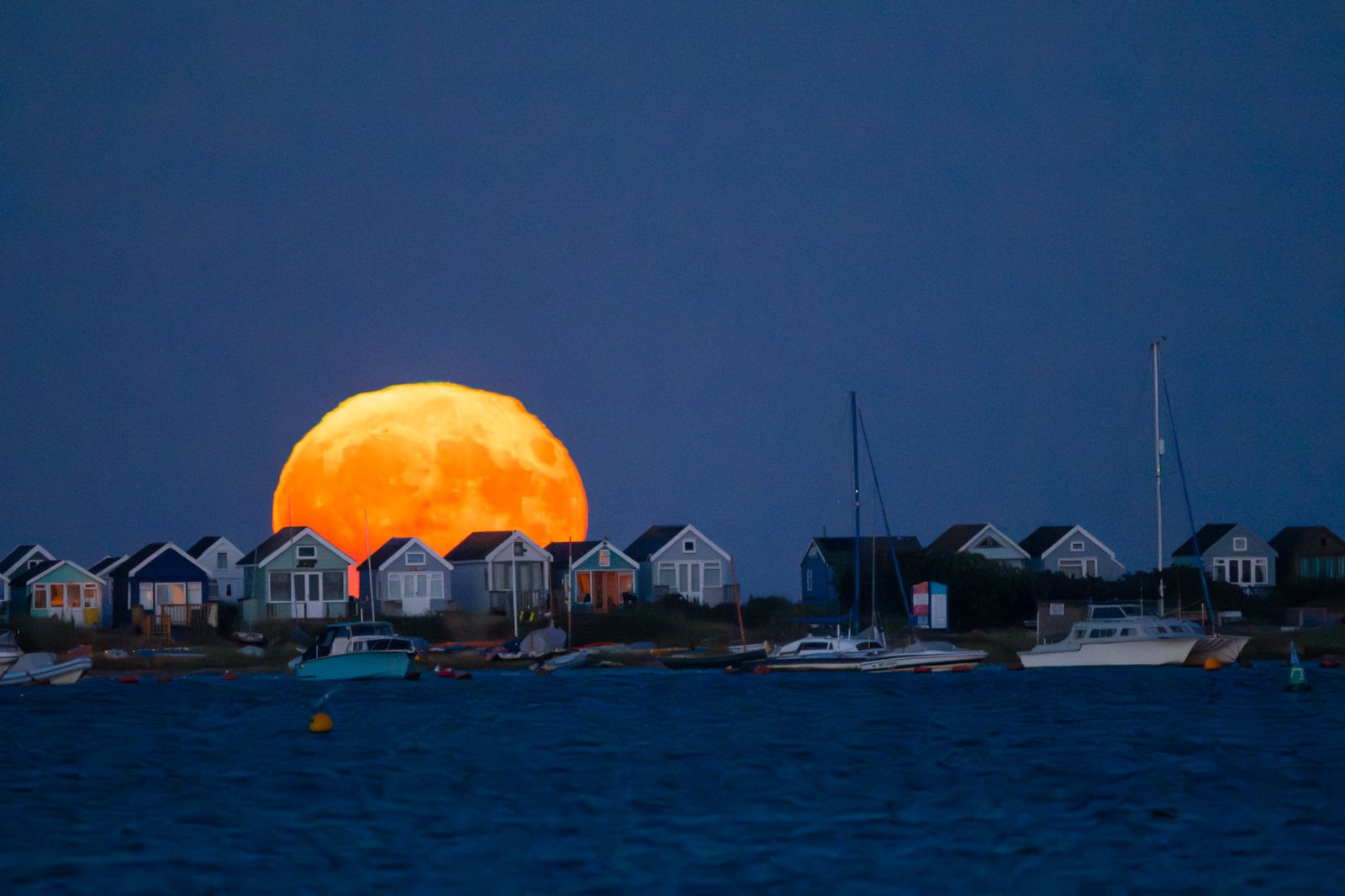
Full Supermoon rising above Mudeford beach huts, Dorset, UK
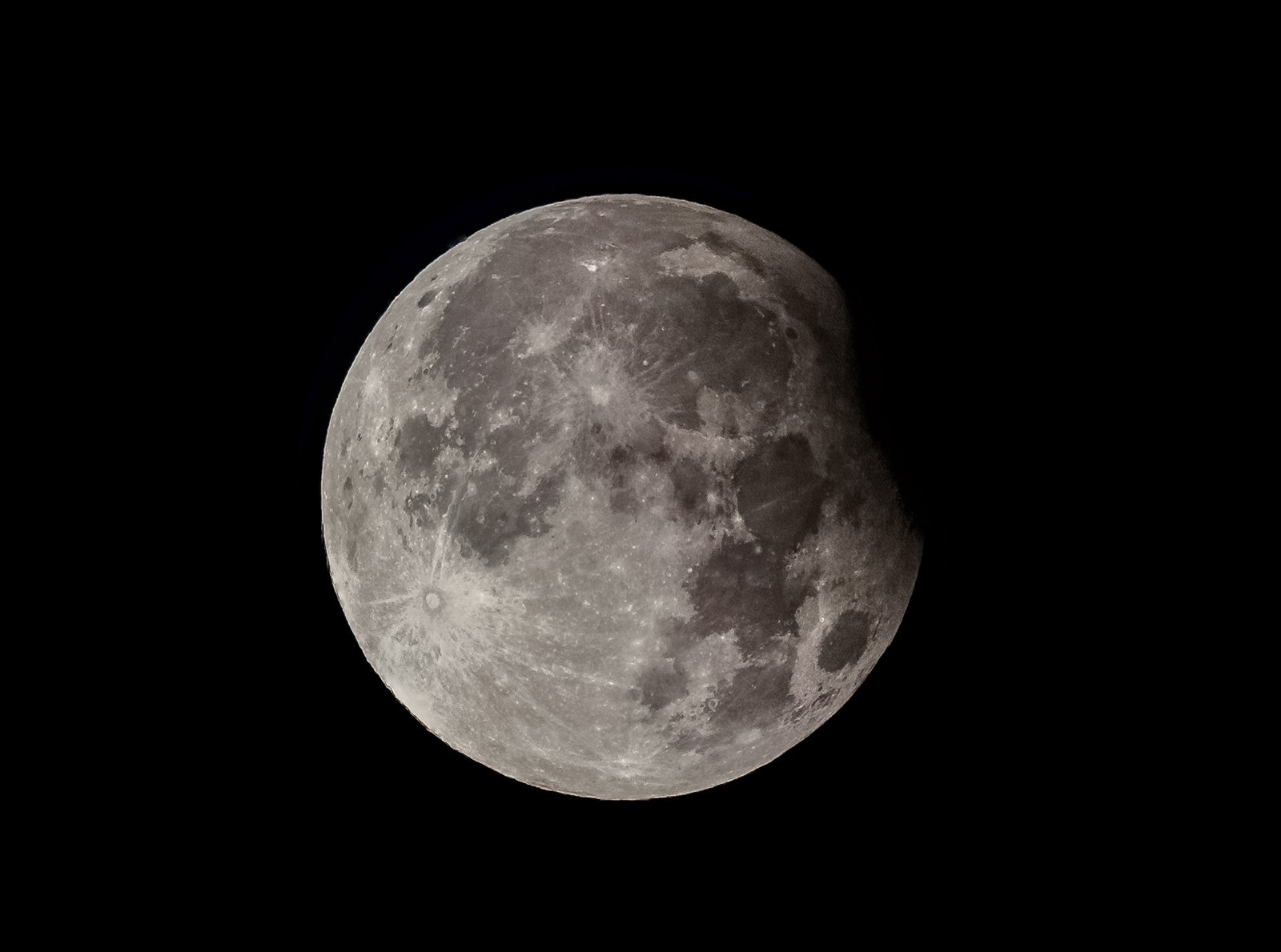
Partial Lunar Eclipse from Dorset, UK
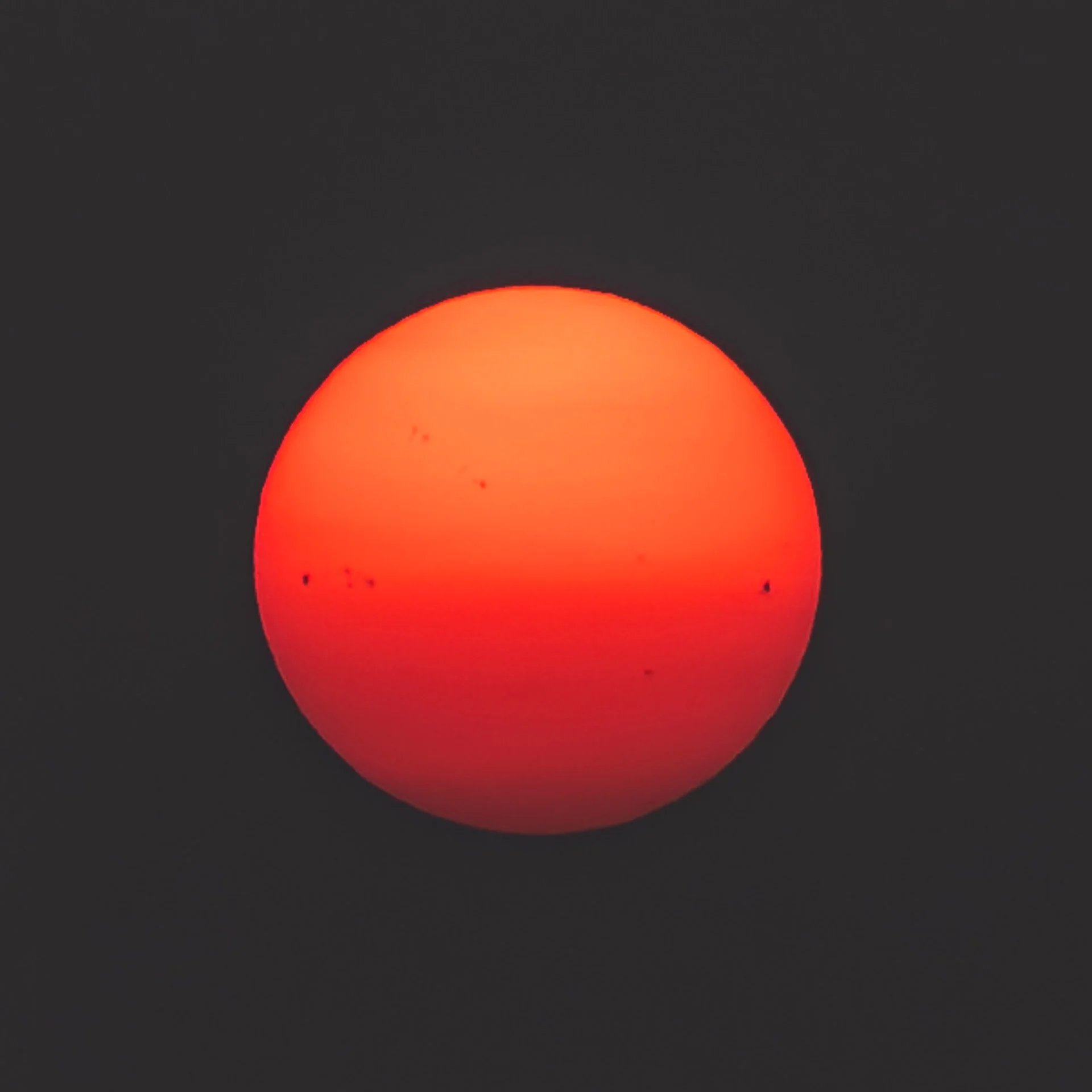
Sunspot activity, aurora incoming, Dorset, UK
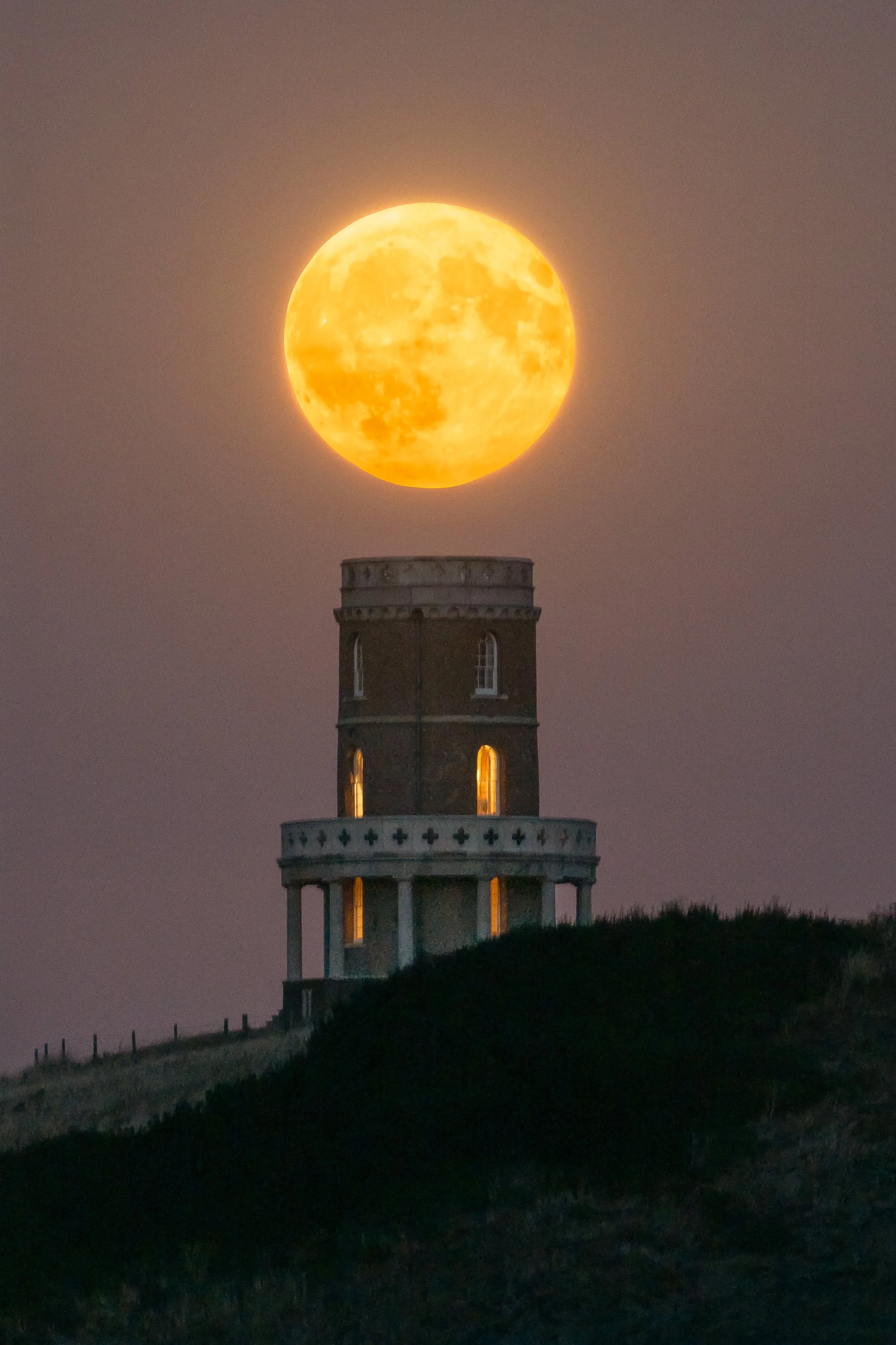
The Sturgeon Moon rising above Clavell Tower, Kimmeridge, Dorset, UK

The Pleiades star cluster.
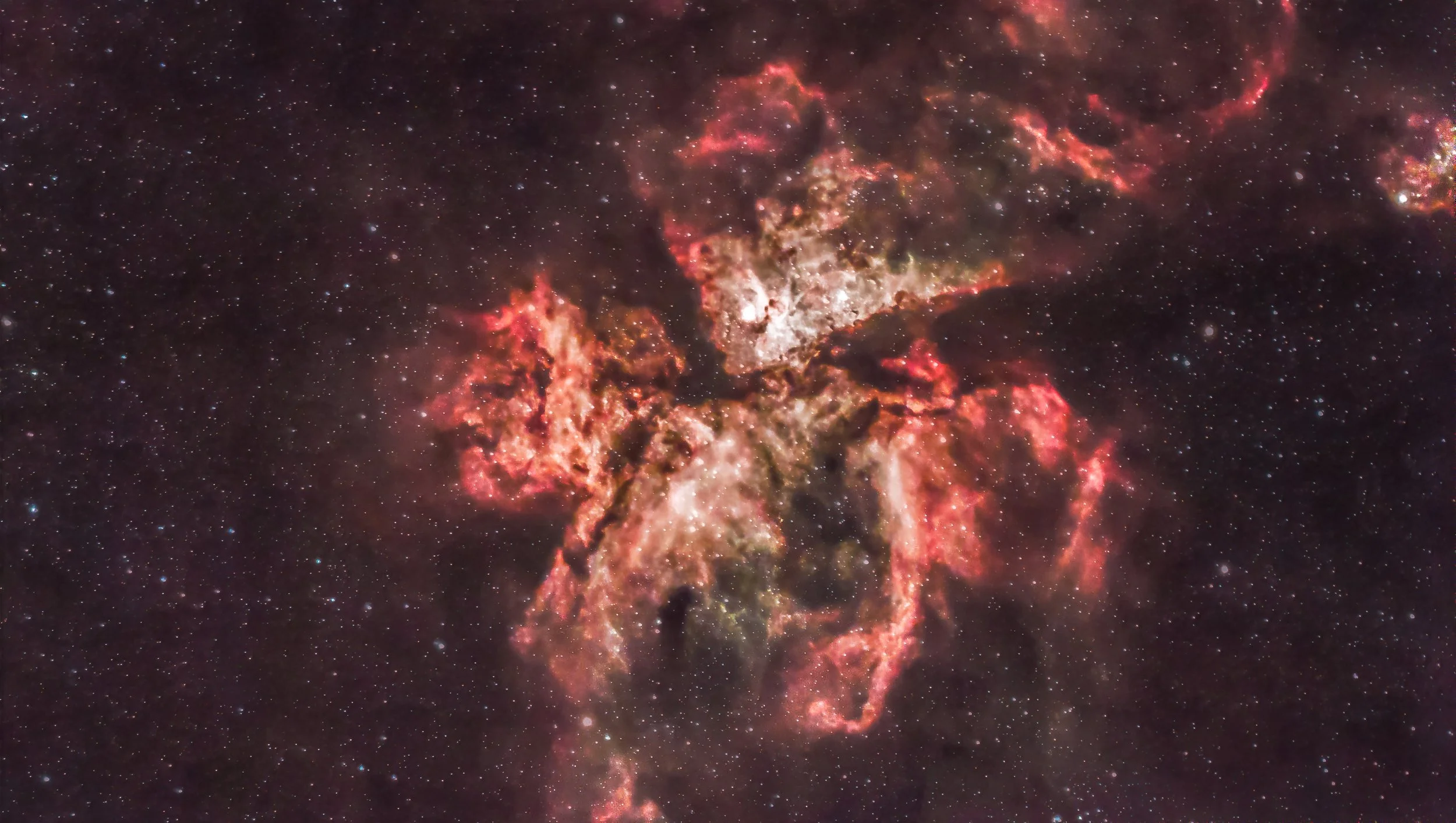
The Carina Nebula, seen from the atacama in Chile.

Andromeda Galaxy, seen from Wimborne, Dorset, UK

Orion Nebula seen from Wimborne, Dorset, UK